
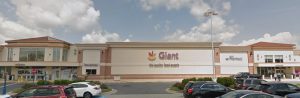
Giant Food is closing some store entrances to tackle rising theft, and it’s causing a hassle for customers, especially seniors and those with disabilities. While they’re focusing on security and keeping stores open, other grocery chains are feeling the pressure too, and it’s getting tougher out there.
Here are the highlights:
- Giant Food is reducing store entrances, causing inconvenience for customers, especially disabled and senior patrons.
- The closures are part of a strategy to combat rising theft amid increasing shoplifting nationwide.
- Retailers are facing challenges from inflation, labor shortages, and decreased foot traffic since the pandemic.
- Giant Food has no plans to close stores but is enhancing security and limiting self-checkout to address theft.
- Shoplifting has reportedly increased tenfold in recent years, prompting retailers to adapt their strategies.
- Future challenges include higher operational costs, rising wages, and increasing rents, which could lead to more store closures.
- Shifting consumer behavior is benefiting smaller competitors like Aldi, Moms, and Lidl.
- Suburban supermarkets are experiencing steady business, boosted by work-from-home trends.
- Giant’s CEO claims the changes in store entry points have led to a promising decline in shoplifting attempts.
Stay informed
Sign up for my newsletter and join more than 3,500 of your Bowie neighbors getting regular updates directly from Mayor Mike.
Giant Says They’re Closing Doors, Not Stores
Giant Food's decision to reduce store entrances, including Bowie's, has customers inconvenienced and raising concerns about the health of local grocery retail.
Several Bowie residents' reactions to the change were detailed in a Washington Post article this week that featured the Giant at Free State Shopping Center.
Customers pointed out that the limited single point of entry and exit creates an inconvenience for disabled and senior patrons. Giant says the closure is part of the grocery chain's effort to combat rising theft.
Retailers across the country are grappling with increased shoplifting. The trend is hitting stores at an especially hard time, as inflation and shifts in foot traffic have taken a toll.
Holdover inflation from a lack of seasonal farm workers, fewer local retail employees, and a truck driver shortage continue to wreck havoc on operations and supply chains. Decreased urban foot traffic, still yet to recover since the pandemic, is placing further pressure on retailers.
Numerous stores, including Walmart, Whole Foods, Kroger, and Target have announced closures in cities across the country, including Washington D.C. Giant Food, which operates 165 supermarkets in the D.C. metro area, has no plans to close stores yet.
Its CEO says he is focused instead on combating shoplifting through additional security, limiting self-checkout, and protecting high-value items from theft. Retailers REI and Whole Foods are pursuing similar strategies.
Executives hope that curbing theft, which they describe as up tenfold in recent years, will help solve at least one major problem.
Still, future challenges are expected from higher operational costs, fast-growing wages, and rising rents in the region. Grocery store profit margins are already notoriously slim, and future trends could precipitate more store closures.
Retailers are also working to adapt to shifting consumer behavior. Customers are increasingly engaging in strategic shopping, focusing more on essentials. This has benefitted competitors, Aldi, Moms, and Lidl, which manage smaller stores, offer fewer items, and enjoy significantly lower overhead.
While large downtown retailers have been especially hard-hit, foot traffic in suburban supermarkets, including Bowie's, has remained strong. Local stores Walmart, Harris Teeter, and Target report steady business.
Increasingly common work-from-home practices appear to be boosting suburban retail as customers spend more time near their homes than at work, an unlikely silver lining following the pandemic's hollowing out of urban downtowns.
Giant maintains that in spite of challenges, it will continue to opt for strategies that, while at times inconvenient, will help keep stores open. Giant's CEO says that the change in points of entry has so far shown a promising decline in shoplifting attempts.