
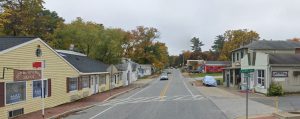
The Bowie City Council is meeting on October 2 to talk about traffic safety after residents raised concerns about speeding in neighborhoods. They’re looking at improving traffic calming measures and the use of speed cameras to make streets safer.
Here are the highlights:
- The Bowie City Council will discuss traffic calming policies on October 2 after a two-week delay.
- Residents have raised concerns about speeding in neighborhoods, feeling unsafe due to increased traffic.
- Recent discussions highlighted incidents of cars speeding and accidents occurring in front of homes.
- The city is responsible for municipal streets while county and state manage larger roads.
- New state laws allow the city to deploy additional speed cameras beyond school zones.
- Bowie Police face recruitment challenges and are relying more on technology for traffic enforcement.
- The council will review rules for speed humps, striping, rumble strips, and flashing speed readers.
- Current traffic calming measures require significant resident support through petitions.
- The public is invited to attend the council meeting or provide feedback via email.
Stay informed
Sign up for my newsletter and join more than 3,500 of your Bowie neighbors getting regular updates directly from Mayor Mike.
City to Revisit Traffic Safety Policies
After a two-week delay, the Bowie City Council is slated to take up its approach to traffic calming at Monday's October 2 meeting at City Hall at 8pm.
The council was scheduled to review its existing traffic calming rules with an open discussion with the public in September. At that meeting, the mayor requested another month to allow the public time to digest the city's current traffic policy document.
That policy is posted on the city website, available here.
The discussion was spurred by a summer of resident concerns on neighborhood speeding.
At several recent council meetings, residents have attended from different corners of the city describing feeling unsafe on several neighborhood streets.
"It's getting out of control," one resident told the council, "When we moved here ten years ago it wasn't this bad."
Residents have described everything from cars rushing by them while out walking, to losing vehicles parked in front of their homes to distracted drivers.
"I had two cars totaled in front of my house," one Rockledge resident described, "Speeding is getting worse. It's only a matter of time before someone gets hurt."
The city is responsible for municipal streets, typically the roads within neighborhoods. Roads bisecting neighborhoods and numbered roads are predominantly managed by the county and state.
Recent city speed control has focused on a limited number of police-managed cameras. Previously, state law limited those cameras to school zones.
A change in state law has allowed the city to acquire additional speed cameras and deploy them in more locations, an ongoing effort.
The city also maintains a traffic enforcement division within its police department, though the sheer size of the city has made fixed officers and targeted traffic enforcement a game of whack-a-mole.
Bowie maintains 1.1 officers for every 1,000 residents, with a total officer cap of 65 and fewer than 55 in the department currently. A typical Maryland town has nearly twice the number of officers per resident.
Facing recruitment challenges with their historically selective standards and a dwindling talent pool, Bowie Police are increasingly relying on technology to make up the difference. Police hope a growing traffic camera program can help tackle areas with frequent speeding.
At its Monday meeting, the council will also review its rules governing speed humps, striping, rumble strips, and flashing speed readers.
Currently, city councilmembers can request speed studies conducted on any city-managed street. If findings indicate speed and safety data above a preset level, traffic calming measures can be deployed immediately.
Most streets studied in recent years have not qualified for immediate traffic calming.
A petition process exists to override speed studies, though petition standards are high. 90 percent of residents on a given street, and 60 percent on connecting side streets, must sign petitions to direct traffic calming.
The City Council will revisit the policy and consider changes at Monday's meeting.
Residents with thoughts on the city's traffic safety are invited to attend the council meeting Monday, October 2 at 8pm at City Hall, or write the council before the meeting at cityclerk@cityofbowie.org.