Bowie’s city meeting revealed that while they still have a strong bond rating and stable tax rate, they’re facing a worker shortage that’s making it tough to keep services up and costs down. They’ll need to decide soon if they want to raise taxes or cut back on services as they plan for the future.
Here are the highlights:
- The City of Bowie maintains its Aaa bond rating and reserve fund balance.
- The city’s tax rate has remained unchanged at 40 cents for 14 years.
- A shortage of non-office workers has worsened, impacting public works, parks, and public safety staffing.
- Increased competition for workers is driving up salaries and wages, which are the city’s largest expense.
- Higher costs of materials will significantly increase expenses for maintenance and capital projects.
- The city may need to revisit its tax rate or scale back services to manage financial challenges.
- Bowie’s tax rate is significantly lower than neighboring Greenbelt’s rate of 80 cents.
- Residents have called for more emphasis on neighborhood connections and attracting higher-end retail.
- The city is seeking public feedback during its budget process from April to May.
- Council Member Estève highlighted the challenges of worker shortages and the need for public involvement in decision-making.
Stay informed
Sign up for my newsletter and join more than 3,500 of your Bowie neighbors getting regular updates directly from Mayor Mike.
City Discusses Worker Shortage, Financial Headwinds
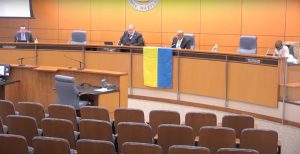
The City of Bowie received mixed news at its first 2023 meeting with Finance staff.
On the good news front, the city maintains its coveted Aaa bond rating, continues to enjoy a reserve fund balance, and has not experienced major service disruptions.
The city's tax rate, 40 cents for every 100 dollars of assessed property value, remains unchanged after 14 years. This is mostly thanks to a combination of past growth and more recent higher property value assessments, bringing northeastern Prince George's County in line with other parts of the region.
The city does face obstacles ahead, though, and city Finance planners gave a sobering assessment of difficult choices facing the City Council.
A shortage of non-office workers, already a challenge before the pandemic, has grown considerably worse. Growing competition for public works, parks, and public safety staff will continue to drive up salaries and wages, the city's biggest expense.
The worker shortage, coupled with higher-than-ever costs of materials will also significantly increase the expense of basic maintenance and capital projects. The city maintains more sidewalks, street pavement, curbs, and public facilities than most municipalities in the state.
Taken together, the city will have to either revisit its tax rate or scale back services. Neither option will be especially popular as the city enjoys a high level of service compared to other municipalities, and at a comparatively low rate of city tax. Neighboring Greenbelt's municipal tax rate is 80 cents for ever 100 dollars of assessed property value, twice that of Bowie's.
While the city weighs keeping its existing tax rate against maintaining current levels of service, it will also discuss how it sees its role moving forward. In recent years, residents have called for a greater emphasis on facilitating neighborhood connections and attracting higher end retail.
The city will be interested in public feedback throughout its budget process, a public review of its entire proposed budget running from April to May.
"We knew this was going to be a difficult year," said Council Member Estève, "Every local government in the area is experiencing a worker shortage, and many area cities and counties are able to offer higher starting wages. The competition for workers is going to significantly drive up costs if we want to maintain current levels of service."
The Council Member added, "Whatever decisions we have to make, we want to be sure the public is informed and heard throughout the process."
The city traditionally submits a proposed budget in the spring. The City Council then schedules multiple evening meetings to review individual department programs, ask questions, and give feedback to city staff. All meetings are open to the public and residents can submit thoughts and ideas at any time.