
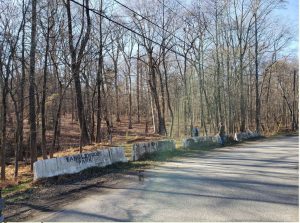
The city council is looking at sprucing up stormwater ponds with native plants and creating a new natural area in Tanglewood, focusing on a simple, low-cost plan that keeps things natural while improving access. It’s great to see local volunteers stepping up to make our community more beautiful!
Here are the highlights:
- The city council proposed beautification of stormwater management ponds and a new natural area.
- The beautification pilot program includes native flowers, plants, and trees, initially funded by local volunteers.
- Stormwater management ponds have been controversial among residents due to their aesthetic impact.
- Efforts to improve the ponds are supported by Councilmember Woolfley and others to restore natural beauty.
- The pilot program will improve the Midwood Lane pond with volunteer-donated plantings.
- The Tanglewood property is being considered for designation as a natural area with various proposals discussed.
- Residents prefer a less invasive and more affordable plan for Tanglewood improvements, costing about $60,000.
- The city council showed support for the less invasive plan and will review it in the spring.
Stay informed
Sign up for my newsletter and join more than 3,500 of your Bowie neighbors getting regular updates directly from Mayor Mike.
Beautification Pilot and New Natural Area Proposed
The city council heard a proposal for the beautification of its stormwater management ponds as well as plans for a new city-designated natural area at its Monday council meeting.
Presenting on the stormwater management pond improvements were Bowie Environmental Advisory Committee Chair Abby Snyder and longtime member Elmer Dengler.
The EAC has developed a pilot program to improve the aesthetic appearance of the state-mandated ponds with native flowers, plants, and trees. The work would initially be done by local volunteers with the option to expand into a formal city beautification program in the future.
The state-required stormwater management ponds have been a source of mixed feelings for city residents. Chesapeake Bay management rules have required Bowie and other Maryland private and public entities to engage in often costly projects to manage runoff.
A part of that effort has been the digging of new stormwater management ponds, ironically often clearing old trees at the center of neighborhoods. The final product is an often less-than-sitely ditch surrounded by fence.
Councilmember Woolfley and I have been pushing the city to look at native tree plantings around the new ponds to restore some these areas' lost natural beauty. The EAC plan is a welcome first step in that effort.
The EAC emphasized that the initial effort will be limited in scope and volunteer-funded. Future efforts to improve all of Bowie's stormwater management ponds will require serious work and city investment.
The plan was well received by the city council who thanked the EAC for their initiative. The pilot would improve a portion of the Midwood Lane pond later this year with plantings donated and added by EAC members.
The city council then discussed several Tanglewood Master Plan proposals. The Tanglewood property is 127-acre wooded area located off of Zug Road between Old Town Bowie and Northridge.
The property has been cared for by local residents who have maintained area paths and posted homemade trail signs. Residents in recent years have called for the city to reactivate the site as a formal city-designated natural area.
Several proposals were presented for consideration. Simpler plans called for improved signage, designated parking, and clearly delineated trails. More elaborate proposals included a new access road, park benches, and trail amenities.
Local residents and stakeholders recommended the less invasive plan. This proposal was also the most affordable, at roughly $60,000 compared to the more involved $230,000 concept.
Having worked with area residents since this project's inception, I'm confident the less invasive plan is the best approach. Residents have long sought basic access that opens the property to visitors with minimal disturbance to the natural area.
The city council gave feedback with a preference for the less invasive plan. The project's planners will return to the city later in the spring for approval of a first phase improvement.