
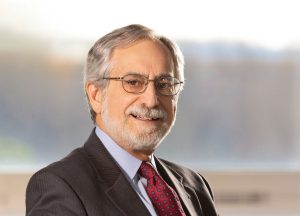
David Iannucci shared some interesting thoughts on Bowie’s business scene, highlighting the need for better place-making to attract younger residents and upscale shops while also addressing the tough balance between business growth and community concerns.
Here are the highlights:
- David Iannucci shared insights on Bowie and Prince George’s County’s economic development at a city meeting.
- Residents have expressed concerns about the lack of upscale shopping compared to neighboring counties.
- Iannucci emphasized the importance of place-making in creating attractive, functional community spaces that drive economic development.
- The US often lacks walkable downtowns and central plazas, leading to less pedestrian-friendly sprawl.
- Successful place-making can create mixed-use pockets that reduce car trips and lower infrastructure costs.
- College Park and Hyattsville have seen success with place-making policies, attracting upscale retail and restaurants.
- Bowie struggles to retain high-income, young residents essential for sustaining upscale businesses.
- Prince George’s County has experienced positive job growth but remains behind Northern Virginia in overall job growth.
- Maryland ranks poorly for departing businesses due to unpredictable regulatory environments.
- Prince George’s is attracting “end-of-mile” warehouses, but the local restaurant scene is dominated by chains.
- The Route 1 corridor and the University of Maryland are key economic drivers for the county.
- New county policies may hinder business competitiveness and exacerbate resident concerns about traffic and green space loss.
- Recent bills risk driving business investment out of Prince George’s County.
- Iannucci warned that making denser housing harder to build could lead to closures and vacancies in the long term.
- Balancing resident concerns with the need for business investment is crucial for the local economy.
Stay informed
Sign up for my newsletter and join more than 3,500 of your Bowie neighbors getting regular updates directly from Mayor Mike.
Additional Insights on the Local Business Climate

Bowie resident and business development expert David Iannucci shared insights on the city and county's economic development landscape at a recent city meeting.
Economic development has been a growing topic in the city, as residents have increasingly expressed concerns with a lack of upscale shopping compared with neighboring counties.
Iannucci, President of the Prince George's County Economic Development Corporation, shared his thoughts with members of the Bowie Economic Development Committee, a public volunteer group that advises city policy.
Iannucci addressed the county's growing focus on place-making, the creation of attractive, functional spaces within communities, which, used properly, can be a positive economic development driver.
The US, famous for its 20th century strip malls and oceans of parking lots, often lacks the more attractive and functional development possible in places with walkable downtowns, central plazas, and easy pedestrian movement.
Instead, development focused around cars results in less pedestrian-friendly sprawl with spread-out shopping and inefficient, often idle, infrastructure.
Place-making, done right, can undo the damage of vibrance-killing strip malls and create pockets where homes, shops, and food commingle. These mixed-use pockets can reduce car trips and save on the costs of land-heavy, low-density construction and infrastructure.
College Park and Hyattsville have enjoyed success in recent years with good place-making policies. Following a decade of allowing dense luxury apartment development, College Park boasts the first Trader Joe's in Prince George's County as well as a growing selection of upscale restaurants.
Iannucci observed that good place-making works when it attracts a younger, educated workforce with disposable income. Bowie, a steadily aging community, has struggled to retain the high-income, young, childless residents essential to sustaining upscale restaurants and retail.
Allowing for the development of denser, walkable communities can help attract those customers, and entice the retail and eateries that residents have increasingly complained Bowie lacks.
Another topic was the county's positive job growth, tempered by a weak state business environment overall. While Prince George's boasts the fastest post-pandemic job growth in the state, it is still well behind Northern Virginia, responsible for 52% of all job growth in the region.
Virginia, benefitting from a more business-friendly reputation, has continued to challenge Maryland's economic competitiveness.
Iannucci shared that Maryland ranks fourth-worst overall for departing businesses, driven by fast-changing local and state rules. The unpredictable regulatory environment, coupled with growing, younger workforces in the southeast, is driving area business disinvestment.
Prince George's, meanwhile, is receiving attention from "end-of-mile" warehouses, with Amazon establishing six "last-mile" centers in the area. The local restaurant industry is still holding strong, though geared more towards chain establishments.
The county's main economic driver continues to be the Route 1 corridor, with the University of Maryland serving as a catalyst for much of the county's recent positive economic news.
Capitalizing on denser, upscale housing and a growing base of big-spending customers has turned around a part of the county that struggled economically in the recent past.
Building on that success could be challenging pending new county policies.
Development has been a contentious issue in Prince George's, with the new county council aggressively swinging the pendulum away from the business-friendly, though often controversial, previous council.
In the balance is the tension between keeping the county business-competitive while not ignoring resident concerns about worsening traffic congestion and loss of green space.
Recent county bills changing permitted use zones, and attempts to aggressively cap rents, quash townhomes, and curb new growth, risk driving business investment out of Prince George's and into neighboring jurisdictions.
Iannucci underscored that attempts to cap denser housing comes at an especially bad time as traditional commercial and office spaces are in difficult straights from changing consumer preferences and high interest rates.
Shopping and office owners will increasingly look to turn their centers into flex spaces, with a greater mix of housing and shopping together.
Making denser housing harder to build would stymie these efforts at a time when people's preferences for how they live, work, and shop is changing.
Iannucci predicted that an inability for businesses and government policy to adapt could result in closures and vacancies in the longterm.
Avoiding this will involve striking a balance between resident concerns about new growth with the imperative not to drive out the business community that ultimately shapes the local retail and restaurant climate.
What's clear is the county and city have a difficult job ahead and will need to work closely and cooperatively to navigate these ever-changing waters.